
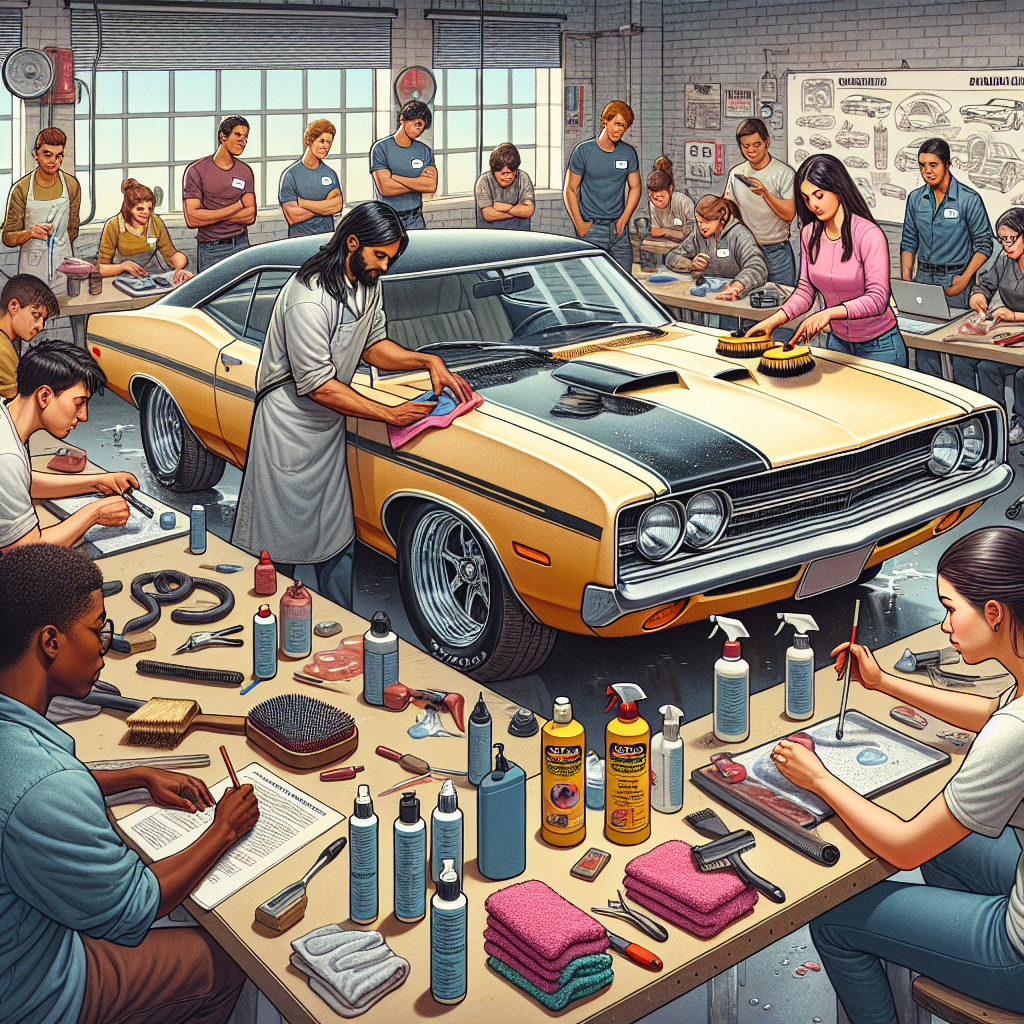
Understanding Auto Detailing
What is Auto Detailing?
Auto detailing isn’t just your average car wash, folks. It’s about meticulous cleaning, restoration, and finishing of a vehicle, both inside and out. From waxing to polishing, every detail matters. When I first dipped my toes into auto detailing, I was amazed at the level of care and precision that goes into the process. It’s like giving your car a whole new life!
To break it down further, auto detailing involves various services that can range from a simple wash to a full-blown interior and exterior restoration. Think of it as a spa day for your vehicle where every inch gets some love and attention. It’s not only about aesthetics; it preserves the car’s value over time.
Classes on auto detailing teach you all of this and more. They cover the skills needed to transform a vehicle into looking showroom-ready. If you’re passionate about cars, this environment can be incredibly fulfilling—almost like an art form.
The Importance of Auto Detailing
Now, let’s chat about why auto detailing is so crucial. Besides the obvious visual appeal, regularly detailing your vehicle can help to maintain its value. A car that looks and feels brand new can fetch a much better price down the line. Plus, it reflects how you care for your belongings, right?
Additionally, detailing can improve safety and comfort. For instance, a clean interior decreases allergens and improves the overall driving experience. It’s amazing how much better I feel driving a clean car—like I’m gliding on air rather than lugging around a mess!
You’ll also find that detailing your car can boost your mood. There’s something about stepping into a car that sparkles inside and out that just makes you feel good. It’s like a fresh start! And who doesn’t love that feeling?
Getting Started with Auto Detailing
If you’re ready to dive into auto detailing, the first step is finding the right classes. Look for ones that cover both the fundamentals and advanced techniques. A good class should also provide hands-on opportunities because let’s be honest, practice makes perfect!
As a beginner, I found classes that taught me the difference between various products and tools absolutely essential. It’s like putting together your own tool kit—knowing what to use and when makes all the difference in getting the job done right.
Finally, connect with other enthusiasts! Building a network in the detailing community is invaluable. You’ll learn from their mistakes, share tips, and even find potential job opportunities. Remember, we’re all in this together, and sharing knowledge helps us all grow.
The Essential Tools and Products
Choosing the Right Tools
Alright, let’s dive into one of the most fun parts of auto detailing: tools! The right equipment can make or break your detailing experience. I remember trying to use basic household items in my early days—big mistake! Specialty tools really do the trick.
Invest in a good quality vacuum, microfiber towels, and brushes. Each one serves a specific purpose, and having the best can save you a ton of time and effort. It’s like having the right brush when painting; you want to create a masterpiece, right?
Don’t overlook items like foam cannons or polishers either. They make the process smoother and more enjoyable. Once you get the hang of how to use these tools, you’ll find the detailing process becomes almost therapeutic.
Picking the Best Products
Then there’s the challenge of choosing the right cleaning products. Trust me, there’s a sea of options out there. I used to get overwhelmed just standing in front of the aisle at the store, but after some research and trial and error, I found some essentials that I can’t live without.
Look for pH-balanced products to ensure you’re not damaging the paint. Brands often have extensive lines for just about every aspect of detailing: washes, waxes, tire cleaners, etc. It can be fun to experiment, but remember to stick to reputable brands to ensure quality.
Lastly, always read the labels! It might seem tedious, but understanding what goes into each product gives you peace of mind while you work. Plus, it helps in tailoring a routine that works best for your vehicle.
Effective Techniques for Auto Detailing
So, let’s talk technique. Just having the right tools and products is only half the battle. You gotta know how to use them effectively. I learned some fantastic detailing methods that transformed the way I approach a job.
Start with the exterior wash. A thorough rinse followed by a two-bucket wash technique can prevent swirl marks on the paint. Gentle motions can make all the difference—be careful not to rush through this step. It’s like marinating your favorite dish; let it soak in!
For interiors, focus on vacuuming first, then tackle surfaces with the appropriate products. Spot cleaning is essential too. I’ve had my fair share of spills—getting those stains out requires a bit of elbow grease. In the end, though, it’s worth it for that fresh-clean feeling!
Building a Customer Base
Marketing Your Services
Once you’re confident in your detailing skills, it’s time to think about getting clients. In my experience, word of mouth is one of the most powerful marketing tools. Happy customers tend to share their experiences, and that leads to a flourishing business.
Don’t shy away from social media either. Creating a profile to showcase before-and-after shots of your work can capture attention. People love a good transformation story, and your skills could end up going viral!
Consider offering discounts or referral programs. This helps draw in new clients while rewarding loyal ones. I’ve found that people appreciate a good deal, and it builds positive relationships that can lead to repeat business.

Establishing Client Relationships
Once you begin attracting clients, cultivating relationships is key. Check-in with regulars, remembering little details about their vehicles creates a personal touch that keeps them coming back. It’s this dedication that sets you apart from others.
Follow-up after jobs too. A simple text or email thanking clients for their business not only shows you care, but it keeps you fresh in their minds. Believe me, it works wonders for maintaining rapport. A happy customer will always come back.
Also, consider asking for feedback. Clients appreciate when you seek to improve your service. This not only enhances your skills but shows clients their opinions are valued.
Expanding Your Services
As you build your customer base, think about expanding your offerings. I started with simple washes but soon ventured into high-end waxing, interior detailing, and even paint correction. Diversifying your skills can attract a broader clientele and keep things fresh.
Get feedback on what services clients want. Basic surveys can help gauge interest in new offerings—listen to what they say! This can direct your training and tool investments down the line.
Lastly, consider bundling services or creating specials for holidays or events. It encourages customers to try something new while also increasing your overall revenue. You’d be surprised how effective a little creativity can be in this field!
Staying Updated and Continuing Education
The Importance of Continuous Learning
In a world that’s always evolving, staying updated in the auto detailing industry is crucial. Techniques, tools, and products change frequently—what worked two years ago might not be the best option today. I always make time for learning new skills and staying on top of trends.
Take advantage of online courses, workshops, and trade shows! These are great places to gain insights from industry professionals and network with peers. Trust me; the more you learn, the better you become at your craft.
Online forums and communities can also be treasure troves of information. Other detailers often share tips, tricks, and experiences from their detailing journeys that you can learn from. Just make sure to engage and give back to the community too.
Networking and Industry Connections
Speaking of the community, building a network can open doors for you. Attending local meet-ups or conventions can introduce you to potential mentors who can provide guidance. I can’t stress enough how beneficial it has been for me to meet others in the industry!
Your local automotive scene can also be a great way to create connections. Car clubs, events, and shows are perfect spots to showcase your work and meet potential clients. Plus, it’s just fun to be around like-minded people who share your passion!
Don’t overlook the power of social media groups either. Join detailing or car enthusiast groups where you can share your work, discuss challenges, and gain insights. It’s a fantastic way to stay plugged into what’s happening in the detailing world!
Setting Goals for Your Detailing Career
Lastly, always set goals for your detailing career. Start with short-term objectives like improving a specific technique or expanding your client base. From there, think about where you want to be in five or ten years. Are you aiming to open your own detailing shop? Offer franchise opportunities?
Write down your goals and revisit them regularly. It helps keep you accountable and motivated. Plus, as you check off achievements, you’ll build confidence and enthusiasm in your detailing work.
Remember, growth takes time. Don’t get discouraged if things don’t happen overnight. Stay committed, keep your passion alive, and believe in your skills. Your auto detailing journey is just beginning!
FAQ
1. What is the main difference between a car wash and auto detailing?
The main difference is the level of detail and care. A car wash is about a basic clean, while auto detailing is a comprehensive cleaning, restoration, and protection process for both the interior and exterior of the vehicle.
2. Do I need special tools for auto detailing?
Yes, specialized tools like microfiber towels, polisher machines, and foaming cannons make the detailing process more efficient and effective. Having the right tools can significantly impact the final results.
3. How often should I detail my car?
It generally depends on how often you use your vehicle and the environmental conditions. A good rule of thumb is to detail your car at least every 6 months, but if you’re in a harsh environment or use your vehicle often, consider more frequent detailing.
4. Can I learn auto detailing on my own?
Absolutely! While classes can provide valuable insights and hands-on experiences, you can also learn on your own through online resources, videos, and forums. Just remember, practice is key!
5. What should I do if I make a mistake during detailing?
Don’t stress! Mistakes happen to the best of us. Take a deep breath, assess the situation, and see if you can fix it. Learn from the error and move on; each experience makes you a better detailer!