
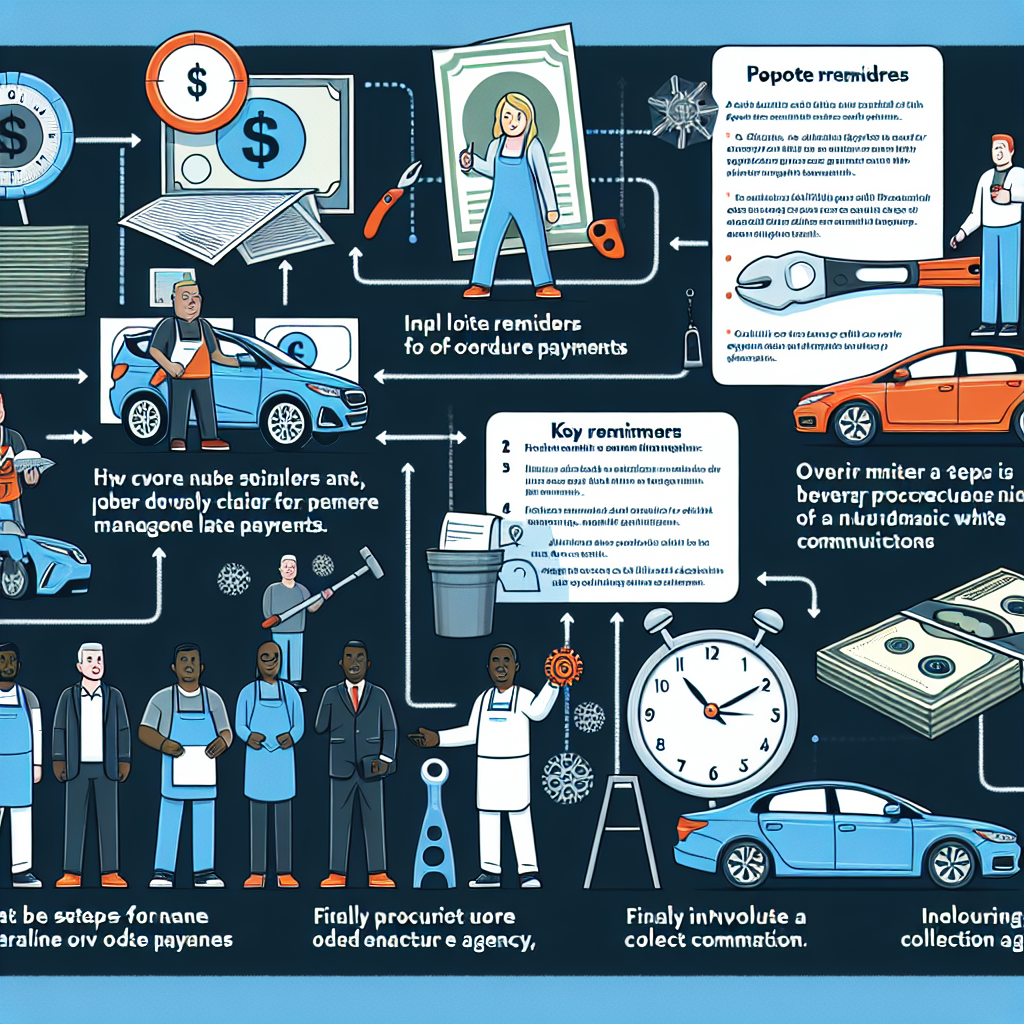
Understanding the Importance of Timely Payments
The Impact of Late Payments
As an auto detailer, I’ve learned the hard way just how much late payments can mess with my business flow. Each time a client fails to pay on time, it’s not just about the cash in hand—it’s also about how that impacts my budgeting and planning for the week, month, or even the year. I’ve found that it leads to unnecessary stress and sometimes even limits my ability to invest in better equipment or to take on new clients.
Perhaps the sneaky part about late payments is the emotional toll it takes too. It’s disheartening to chase after clients who’ve been consistent but suddenly drop the ball. The anxiety of waiting for money can overshadow the joy I have for my craft. Knowing the importance of timely payments helps not just in financial figures but overall morale.
What I’ve learned is that by putting systems in place to manage payments effectively, I can mitigate a lot of the drama. Getting ahead of these situations is key in making sure I can keep my business thriving and stress-free!
Setting Clear Payment Terms
Creating an Effective Payment Policy
From my experience, the foundation of any good business relationship lies in setting clear expectations right from the start. I often lay out my payment policies in easy-to-understand terms, whether it’s upfront, upon completion, or a mix of both. I use simple language to make sure there’s no confusion. Trust me, clarity is crucial!
Another cool strategy I’ve implemented is including my payment terms directly in contracts. This simple action has helped minimize misunderstandings. It’s like putting everything on the table—if there’s a disagreement down the line, we can easily refer back to our agreement!
Additionally, don’t shy away from mentioning repercussions for late payments—soft but firm. Many of my clients appreciate knowing that I value their time and mine equally. It encourages respect for these agreements and helps build a more professional relationship.
Utilizing Professional Invoicing Systems
The Tools I Use
Early in my detailing career, I relied on basic spreadsheets, but they just didn’t cut it. I discovered invoicing software that not only looks professional but also helps keep track of payments seamlessly. I’m super picky about my branding, so having well-designed invoices has actually been a game changer for my business image.
Automation is a lifesaver! Setting up reminders for clients about upcoming or overdue invoices has been a huge relief. It saves me from turning into the “nagging detailer,” and most clients are grateful for the gentle nudges!
I’ve also started offering various payment methods—credit cards, mobile wallets, you name it! The more convenient I can make payment processes, the more likely I am to receive timely payments. Plus, my clients appreciate the flexibility, which keeps them coming back to me as their go-to detailer!
Maintaining Open Communication
The Power of Touchpoints
To prevent late payments, I’ve cultivated a habit of maintaining consistent communication with my clients. This means touching base before, during, and after the detailing service. It’s not just about business; it’s about building relationships, and that’s what keeps clients loyal.

Each time I complete a job, I follow up with my clients to ensure they’re satisfied with the work. I find that feedback isn’t just crucial for improvement, it also opens the door for conversations about payments. Most clients would rather address any issues before they turn into something bigger!
When payment times roll around, I send friendly reminders. A quick text or call goes a long way in reminding clients that I’m here for them, and it prompts them to make the payment. I aim to be present without being pushy—it’s all about maintaining that balance!
Implementing a Late Payment Process
Your Game Plan for Late Payments
As I’ve navigated the world of auto detailing, I’ve had to face late payments more times than I can count. That’s why I created a structured plan to address this issue straight on. First things first: I have a system for documenting late payments meticulously. Keeping track of who owes what really helps me stay organized.
If I find clients falling behind on payments, a friendly reminder is my first step. If that doesn’t work, I have a follow-up plan that includes sending a more formal letter about their overdue balance. I like to keep the tone respectful and understanding, as life happens and I get that!
Ultimately, if late payments become a trend, I’ve got to consider more serious actions like requiring upfront payments for future services. It’s all about protecting my business while still trying to maintain those valuable relationships I’ve worked hard to build. It’s a tightrope walk, for sure!
FAQs About Managing Late Payments
1. What should I do first when a client misses a payment?
The first step is to reach out and communicate with the client. A gentle reminder can often resolve the issue. Always keep the tone friendly and professional.
2. How do I set effective payment terms?
Make your terms simple and clear. Include them in contracts and be explicit about due dates and payment methods to avoid confusion.
3. What invoicing tools do you recommend?
I recommend using user-friendly software like QuickBooks or FreshBooks. They help streamline the invoicing process and look professional!
4. How often should I follow up on late payments?
Custom-tailor your follow-up based on your client relationship. Start with a reminder a week after the due date, and follow up every couple of weeks if needed.
5. What if a client continually pays late?
If it’s a recurring issue, consider requiring upfront payment for future services. It’s important to protect your business while still being understanding.